
A booth’s graphics are the first thing an attendee sees and the last thing most exhibitors think through. Before you order another banner or approve another quote, it helps to see the whole field: what exhibit graphics actually do, what they’re printed on, and why the same artwork can cost you pennies or a fortune depending on how you buy it.
What Trade Show Exhibit Graphics Are — and the Three-Second Job They Do
“Trade show exhibit graphics” sounds like a shopping category. It isn’t one. It’s every visual surface in your booth that carries brand information: the back wall, banner stands, fabric panels, printed walls and counters, lightboxes, floor decals, even the wrap on your demo table. A retractable banner and a backlit custom wall are both exhibit graphics, and they sit at opposite ends of a spectrum you’ll understand by the end of this guide.
Two quick clarifications before we go deeper. First, when people search “trade show graphic design,” part of that traffic is about the graphic design profession: career questions, portfolio advice. That’s a different conversation. We’re talking about the work product: designing visuals for a booth. Second, if you’re wondering whether AI templates make this a solved problem: they cover the easy half (standard-size banners, table covers, repeatable layouts). The other half, where graphics must work around structure, lighting, and foot traffic, is where the real decisions live.
Here’s the mechanism everything else hangs on. An attendee walking the aisle gives your booth about three seconds before deciding to stop or keep moving; it’s a widely cited figure in the exhibit industry. Your graphics are the only salesperson working before a human one says a word. That’s why every rule you’ll read below (short messages, big type, logo above head height) isn’t taste. It’s derived from one constraint: your visuals must be readable from ten feet away, at walking speed, in a hall full of competing noise.
That single constraint is also why “just make it pretty” is the wrong frame. The useful question isn’t what the graphics look like. It’s how deeply they’re built into your booth, because that choice, made once, decides what they cost you every time you exhibit.
Trade Show Booth Graphics: Carriers, Materials, and Where Each Earns Its Keep
If you’re at the shallow end of the spectrum, you’re buying a carrier: the structure the graphics live on. The common ones are easy to tell apart.
A retractable banner is a roll of vinyl in a spring-loaded case. It’s cheap, one person sets it up in minutes, and it tops out around three feet wide. A pop-up display unfolds into a curved or flat frame that carries tensioned fabric panels, giving you a wider backwall that packs into wheeled cases. A tension fabric system stretches dye-sublimated fabric over aluminum frames for a seamless, wrinkle-free look with no visible hardware. Tabletop units do the same jobs at counter height, and modular backwall systems scale from 10×10 to island sizes. What they share: the graphics are printed on standard-size panels that you (or the manufacturer) swap out.
The material decision matters more than the hardware, because it’s where the money lives. Here’s the honest comparison:
Exhibit Graphic Media: What You’re Really Choosing
| Media | 最適合 | Watch out for |
|---|---|---|
| Fabric (dye-sublimated stretch or tension) | Exhibitors who attend year after year and care about color consistency | Wrinkles rarely; washable and reusable; costs more up front; can stain between shows |
| Pressure-sensitive vinyl | One-time or low-frequency shows, big surface areas on a budget, glossy brand looks | Cheapest large-area option; once creased it stays creased; less reusable |
| Rigid panels (PVC, foam board, acrylic) | 3D letters, wall-mounted graphics, structural looks | Dimensional and premium; bulky to ship and store; rigid means no folding |
| Backlit film | Lightboxes and glowing brand walls | Dramatic presence in dark halls; needs a lightbox structure; colors read differently when lit |
| Repositionable media (low-tack film) | Direct application to existing walls and counters | Applied without bubbles, removable for reuse; surface must be clean and painted |
Now the ruling, because the two loudest voices in this debate contradict each other. Fabric vendors argue fabric is the better long-term investment: premium look, color-accurate, reusable (Displayit, 2025). Print-on-demand suppliers counter that vinyl is significantly cheaper per square foot, especially on large surfaces (Printleaf, 2026). Both are telling the truth, and both are selling something.
The decision rule has nothing to do with which material is “better.” It’s frequency.
Exhibit once (no sequel)
Vinyl is the rational choice: a disposable that costs the least for one event. Folded into a case for eleven months, it comes out creased (Displayit, 2025).
Annual program
Fabric survives storage and travels flat; next year’s message is a reprint at a fraction of the structure cost.
Lightbox or dark hall
Backlit film is a category of its own; check brand colors under venue lighting, not office light.
One more truth to keep the map complete: printed graphics aren’t the only way to finish a booth surface. Paint and laminate routes exist for custom structures. Graphics win when you want to change the message between shows without repainting the wall, which brings us to the central decision of this guide.
Four Ways to Buy Exhibit Graphics: How Deep Should Graphics Sit in Your Booth?
Here is the framework the shopping pages never show you. Exhibit graphics are sold as four distinct products, each one a deeper integration of graphics into your booth, and each level changes what you own, what you can change, and what you pay next time.
The Four Ways to Buy Exhibit Graphics
| 等級 | 您將獲得什麼 | 你能把它改掉嗎? | 成本結構 | 當它失敗時 |
|---|---|---|---|---|
| 1. 獨立式展示架(可摺疊橫幅、桌面展示架) | 您購買並安裝的印刷品 | 每次都重新刊載整篇文章 | 每場演出按每項收費 | 當您的展位需要透過一兩件以上展品來呈現一個連貫的故事時 |
| 2. 便攜式套件(彈出式帳篷、張力布料系統) | 框架系統搭配可更換的標準尺寸面板 | 是的:更換面板,保留同一機身 | 硬體成本適中,面板重印成本低廉 | 當您超越尺寸限制與標準佈局時 |
| 3. 客製化攤位圖像(依據您的立面圖進行印刷,並配合木作與結構進行設計) | 專為您的展位量身打造的展板與牆面圖像設計 | 是的,但規格和介面的要求會越來越高 | 設計與製作依專案而定;如需重印,請提供您的原始檔案 | 當有數家供應商,卻沒有人負責整體風格時 |
| 4. 圖像設計服務(作為貴公司展位計畫的一部分,包含設計、製作、試裝、安裝及更新) | 在不改變結構的情況下更新圖形 | 是的,畫面會變換,但畫面框保持不變 | 一次性設計成本攤銷後,每場演出邊際成本下降 | 當你只參展一次,且無意再次參展時 |
第 1 級 — 獨立圖像:僅需一件印刷品即可
可捲式橫幅、桌布和桌面展示架,是多數初次參展者起步時會選擇的器材。您購買一件商品、架設起來,它就能很好地完成小規模的任務。但代價是:每次更改訊息都必須重新印刷,而且由三件互不相關的物品組成的攤位,很少能展現出統一的品牌形象。這對於地區性展會的攤位來說尚可;但若規模更大,這樣的佈置就顯得力不從心了。
第 2 級 — 便攜式套件:當圖形變得可更換之際
彈出式與張力布料系統提供了第一級系統無法提供的優勢:框架歸您所有,圖像則是以可更換面板的形式呈現。若要推出新宣傳活動,只需更換面板即可;再次參展時,下一組面板的成本僅為原始套件的一小部分。對於每年參展一至兩次且經常出差的小型團隊而言,這無疑是最佳選擇。不過,這套系統確實存在限制:由於採用標準尺寸的面板,您的展示內容必須符合系統的幾何結構。
第 3 級 — 客製化攤位圖像:術語轉為立面圖
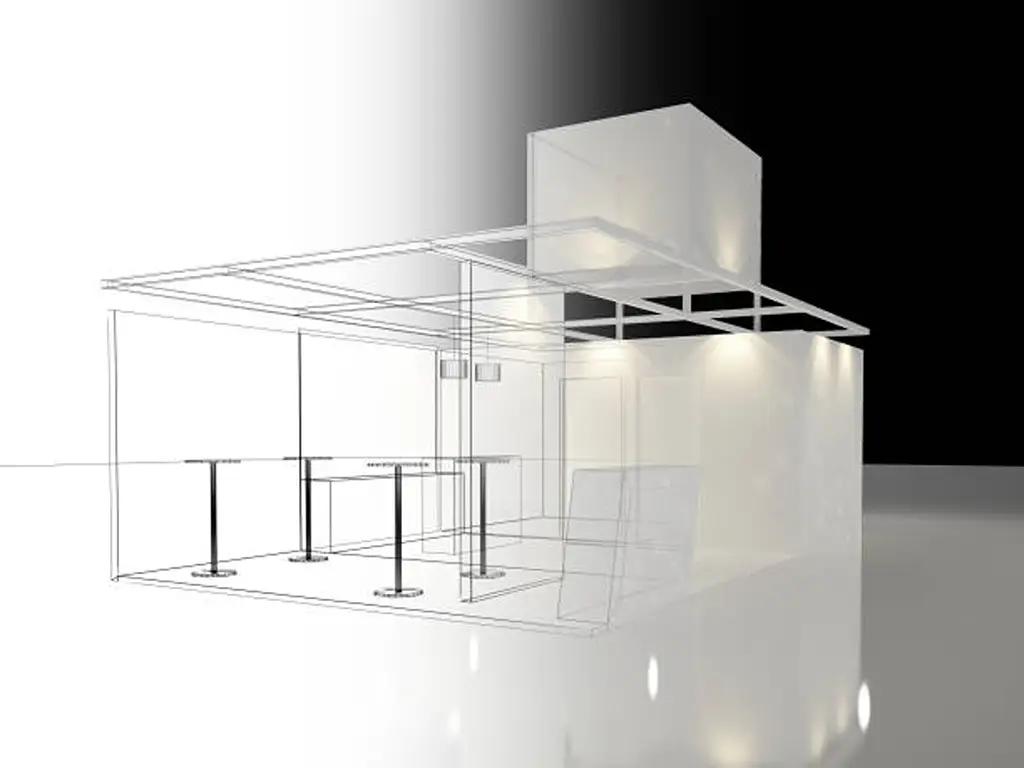
當為客製化展位設計視覺元素時(例如包裹木作結構的印刷面板、透過品牌牆透出光芒的燈箱),您所依據的基礎是 立面圖 (各攤位表面的展平二維視圖)以及核准 藝術公寓 (即最終尺寸的實際製作檔案)。此時,規格要求便成為您的責任:解析度、裁切線、色彩校樣。這也是經典失誤常發生的環節:若結構由一家供應商提供,圖形則由另一家供應商提供,便沒有人負責統整介面,導致成品看起來像是拼湊而成,而非經過精心設計。
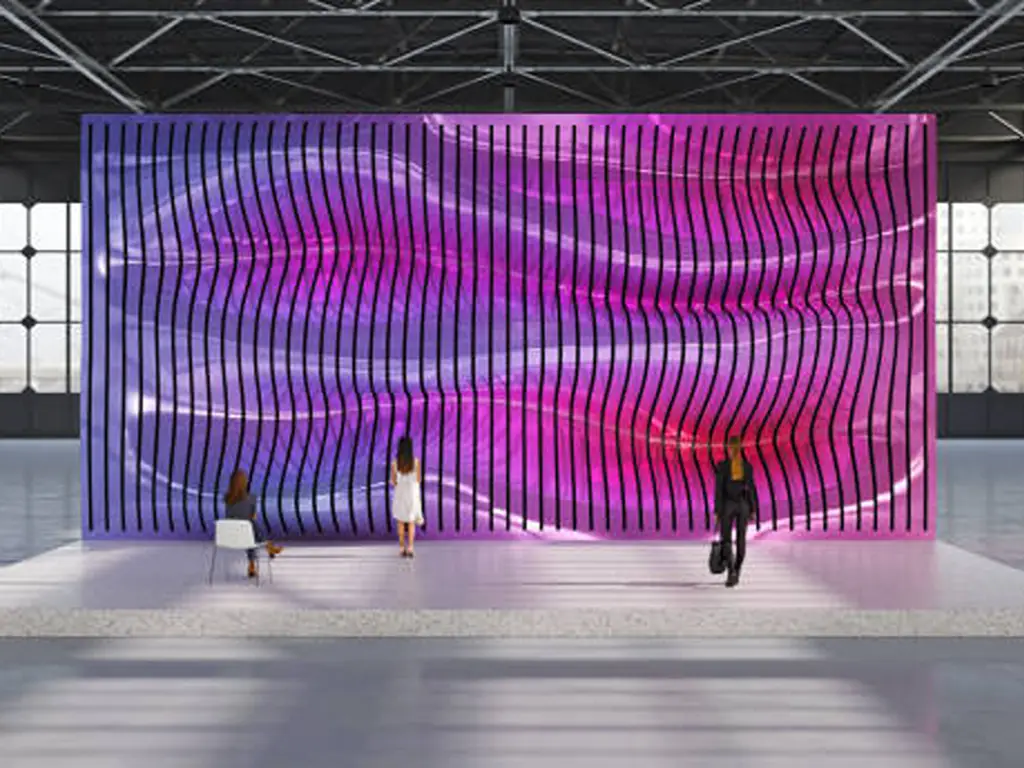
第 4 級 — 圖形即服務:將表面視為資產
從最根本的層面來看,圖像設計不再僅是採購環節,而是成為您展覽計畫中一個需要持續維護的層面:與展架結構同步設計、與其一同進行試裝、拍攝照片以供確認、與其一同存放,並在展架存放在倉庫期間,為下一場展覽重新印製。設計費用只需支付一次並攤提;隨後每場展覽的邊際圖像成本便會降低。在您認定這太過誇張之前,請先思考業界的發展趨勢。
Three currents are pushing exhibitors toward Level 4. First, the refresh conversation: when exhibit experts advise on updating a tired booth without a capital purchase, their highest-leverage, lowest-cost move is consistently the graphic panels themselves (Pure Exhibits, 2026; 行動版燈箱, 2026);展位的「門面」是其中最經濟實惠的更換項目。其次,LED 牆與影音設備正在爭奪展覽預算,這迫使靜態圖像必須憑藉「每千次曝光成本」而非新穎性來爭取一席之地。第三,永續發展的壓力使得可重複印刷的媒介比一次性結構更受青睞。這一切並不意味著第4級方案適合所有人:若您僅參展一次且無後續計畫,第1至2級才是最合理的選擇,而任何人都無權向您推銷超越此等級的方案。
對於年復一年參展的參展商而言,展位的視覺設計是您能以最低成本、最高成效進行的煥新方式:更新外觀,保留框架。
經得起展場考驗的圖像規格:解析度、檔案格式,以及如何選擇印刷廠商
一旦您購買客製化圖形(第 3 級或第 4 級),規格的設定便由您自行管理。這正是網路上各種建議往往自相矛盾之處,因此讓我們來釐清這一點。
解析度的真相:應根據觀看距離來調整圖片尺寸,而非依循某個「神奇數字」
向五個消息來源詢問需要多少 DPI,你會得到五種不同的答案:150 就夠了、72–150 都可以、300 才夠好、以及「別吝嗇」。這些答案既都正確,又都錯誤,因為解析度僅在相對於……的情況下才重要 觀看距離. 一張在十英尺外看起來銳利的圖像,在兩英尺外看起來會顯得模糊,而印刷業已將此因素納入定價考量。就大幅面作品而言,約 200–300 DPI 的解析度足以應付六英尺以內的近距離觀賞;至於那些旨在從走廊另一端觀看的藝術作品,約 100 DPI 的解析度便已完全足夠(海報印刷店(2025年)。正因如此,同一展位中 10 英尺高的背板與櫃檯圖案確實需要不同的檔案,而「我的橫幅解析度是 150 DPI」這句話也是錯誤的。正確的說法應該是:「我的觀眾距離展位十英尺遠,我的檔案需要什麼規格?」
基於此,有兩項實用準則:文字和標誌必須是向量圖形(可縮放的輪廓),絕不能使用螢幕截圖——模糊的標誌是印刷業者每天都會抱怨的問題,這並非什麼難解之謎。照片應以目標解析度調整至最終印刷尺寸,因此那張在您的筆記型電腦上看起來還不錯的庫存圖片,用來印在牆上時很可能就太小了。
在任何文件送印前應執行的檔案檢查清單
Each item exists because someone learned the hard way. Exhibit designers regularly watch exhibitors unknowingly block half their back wall with a couch (GES). A graphic can only sell if nothing stands in front of it. And resolution mistakes are the industry’s most common “honest” failure, because a file can look perfect on screen and blurry on a ten-foot wall (GES). The proofing step is your last cheap correction; after production, fixes stop being cheap.
選擇印刷廠商:供應商矩陣
針對同一件藝術品,會有四類供應商向您報價,而這些供應商無法互相替代。
展覽圖像供應商:根據您的情況選擇哪種管道
| 情境 | 合適的頻道 | 其優勢 | 下單前需確認的事項 |
|---|---|---|---|
| 租用桌位的一次性橫幅 | 線上隨印隨做服務(Vistaprint、Signs.com) | 最低價格、快速、簡易的範本 | 檔案規格、出貨日期,以及貨品能否在展會前送達 |
| 現有的便攜式套件需要更換新面板 | 套件製造商或其圖形設計服務商 | 與框架系統完全吻合的尺寸 | 重印週期;不同世代面板之間的色彩匹配 |
| 由一家供應商負責結構、另一家供應商負責圖像設計的客製化展位 | 具備大幅面印刷能力的當地招牌店或連鎖店 | 靈活,能配合現場需求 | 他們只看到圖形介面;究竟誰擁有與您的結構建構器的介面? |
| 年度展位企劃,視覺設計對您的品牌至關重要 | 提供全方位服務的展覽承包商,專精於設計、印刷與安裝 | 從建築立面圖到展場佈置,全程由一位負責人統籌 | 試印版本與照片確認、原始檔案所有權、現場重印能力 |
該矩陣中的模式與四個層級所呈現的一致:整合深度越高,責任歸屬越明確。若參展商分別向不同供應商採購展位結構與視覺設計,便需協調兩家供應商,卻無從歸咎於誰。若參展商將這兩項服務作為一攬子方案採購,則只需向單一對象追責,且該合作夥伴的聲譽將取決於展位能否呈現出設計統一的整體感。這正是從第 3 級邁向第 4 級的橋樑,而這是一種有意識的選擇,絕非採購過程中的偶然結果。
一家全方位服務的展覽視覺設計合作夥伴應為您提供什麼
如果您決定「全方位服務」模式適合您的計畫,在比較合作夥伴時,您需要的是一份檢查清單,而非一堆形容詞。一家具備圖像設計能力的展覽合作夥伴應能向您展示:
請注意哪些內容缺席了:「屢獲殊榮的設計師」、「頂級品質」。這些都是你無法從簡報中驗證的說法。回應時間、試作樣本、原始檔案以及當日重印服務才是 可納入合約的條款. 如果伴侶對其中任何一項有所猶豫,你所學到的,將比任何宣傳手冊所能告訴你的都更有價值。
坦白說:這種等級的服務,是基於有值得管理的展位計畫才成立的。若只是在當地展會上架設一次性的 10×10 展位,其實不需要這種服務;這正是第一級和第二級服務存在的意義。當您還在今年的展會結束前,就能說出明年的展會名稱時,才算真正進入「全方位服務」的討論階段。
請隨身攜帶這份檢查清單。若合作夥伴在試印、原始檔案或當日重印等事項上猶豫不決,這在您簽約前已向您傳達了某種訊息。
獲取免費設計與明細報價當展位圖像出錯時:打樣、試裝與展會當天的緊急修復
以下列出的每項失敗,都是真實參展商親身經歷的,而這些失敗在籌備過程中本可避免——而非在展會現場。
那個雜亂無章的攤位。 參展商若在最後一刻才從不同供應商處拼湊出展位,幾乎不可能呈現出整體協調的效果;這樣的展位給人的感覺是零散的組件,而非一個品牌(Signs.com(2025年,引自參展商說法)。預防措施:在訂購任何物品之前,應指定一人負責整體視覺呈現。
一大段文字。 「別把貴公司的整個歷史和產品目錄全都掛在牆上」這句建議之所以是參展商最常聽到的忠告,自有其道理(Signs.com(2025年)。預防措施:前文提到的「三秒法則」:如果一個標題在十英尺外瞥上一眼就無法吸引目光,那就沒必要把它掛在牆上。
那面模糊的牆。 Files that look perfect on a monitor come back soft on a ten-foot print, the industry’s most common honest mistake (GES). Prevention: run the viewing-distance math from the previous section 之前 審核檔案。
被遮擋的圖形與陰影。 Furniture placed in front of a back wall, or overhead elements casting shadows, are routinely discovered on show day (GES). Prevention: review a photo of the trial build with the furniture plan and lighting in place, which is exactly why the trial-build sign-off step exists.
首日變更。 產品名稱變更、員工照片被替換,或是宣傳圖稿送達時出現皺摺或印錯。預防措施:在展會前確認合作夥伴的現場處理能力:若合作夥伴能當天重新印刷,便能將危機化為一次喝咖啡的空檔;而印在可重新定位載體上的圖稿,則可在不損壞底層表面的情況下進行修正。
那不屬於你的顏色。 品牌顏色在展場燈光下會產生變化,而數位校樣無法呈現這種效果。預防措施:請在接近展場環境的條件下查看實體樣品,或詢問顏色在燈光照射下的實際呈現效果。
這些情況都算不上什麼稀奇事。它們只是在未經審核流程便購入圖形卡時,常見的故障模式——正因如此,審核流程本身,儘管看似平淡無奇,卻正是保障您資金安全的關鍵。
失敗背後的規律
校對、試作、照片確認以及您所擁有的原始檔案。上述每項失誤都應在製作過程中預防,而非在展會現場才發現。
那個無人問津的預算問題:將圖形視為資產,而非單項支出
以下是財務部門不會問、而展商也極少會問的問題: 不包括這次展會,您在其他五場展會中,攤位的「門面」總共花了您多少錢? 在每個預算週期中,圖像設計總被列為一項支出項目:印這個、印那個,而建築結構卻被視為資本性支出。這完全本末倒置。建築結構才是那項昂貴且耐用的資產,而圖像設計則是那項廉價且需定期更換的物品;你採購的方式,將決定每次更換是成為一筆小額且有計畫的開支,還是一筆龐大且倉促的開支。
請依據現有事實來判斷。攤位中,正面是最便宜的更換部分(這與先前的共識一致)。若要實現可更換性,必須使用能長期保存的載體以及可替換的面板。而要以低成本重新印刷,則需要原始檔案存在,且結構保持不變。
一項付費設計。概念圖、立面圖及檔案僅需交付一次。
存放中的框架。在兩場演出之間,這個結構就安置在倉庫裡。
圖像重印成本低廉。下個賽季的重點在於「量產」,而非「重建」。
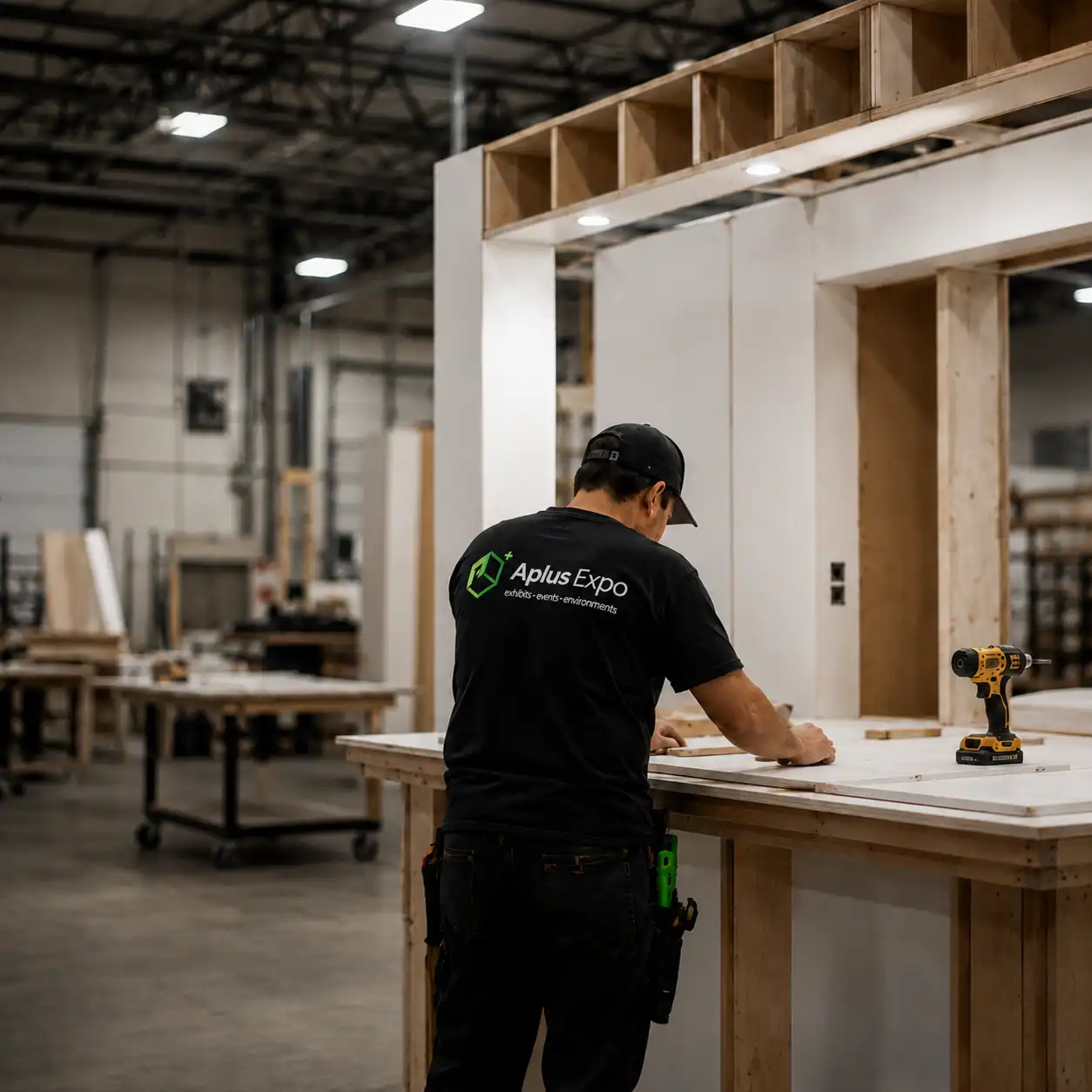
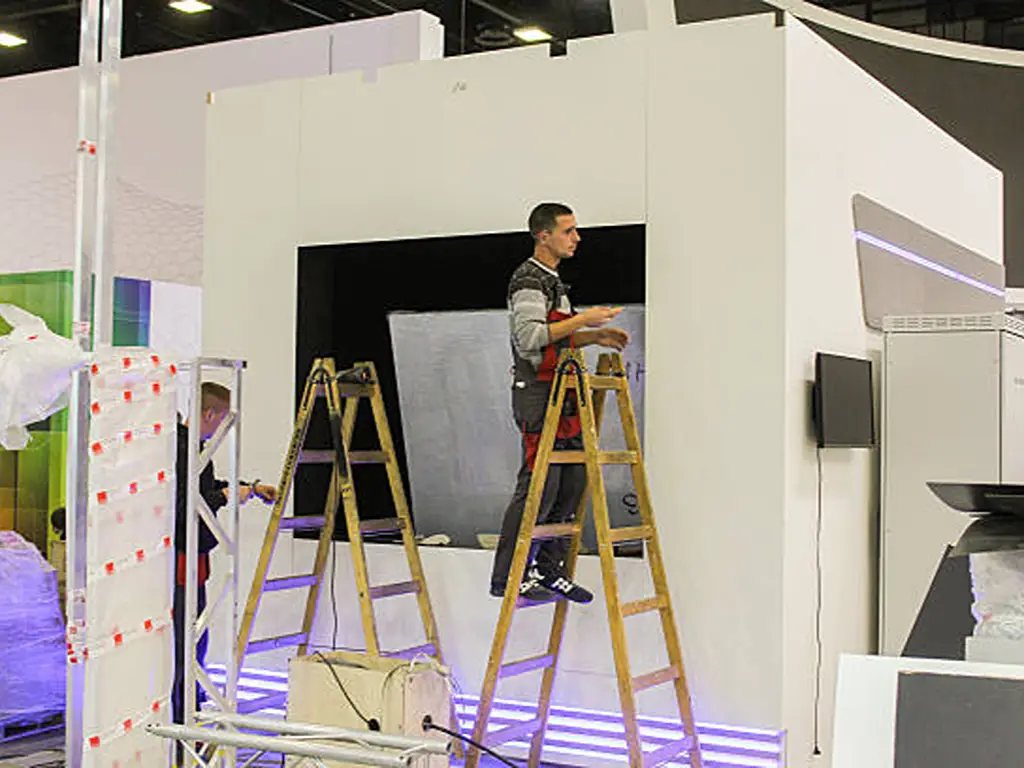
這正是 Aplus Expo 採用的運作模式:我們的客製化展位方案將結構與視覺設計整合為一體,並在自家工廠及印刷廠內完成製作;我們是根據您的設計來製作,而非依循零件目錄,因此成品的呈現效果僅受設計概念所限,而非受限於我們的庫存(客製化攤位方案; 內部平面設計與印刷工作室). 展會結束後,我們會拆卸並收納展位設備,而圖案(印在可重新定位的媒材上)能完整剝下,並保留至下一場活動使用。第二年,您不需要購買新展位;您只需煥新形象(客製化攤位方案). 這就是「明細項目」與「資產」之間的區別。
邊界的重要性不亞於模型本身。若您僅參展一次,或您的展覽行程表僅安排至本季為止,則資產邏輯便不適用:購買第 1 級或第 2 級產品,花費最低金額,並忽略上述關於攤銷的所有說明。資產模型僅對能帶來回報的計畫才有效。對於能帶來回報的計畫而言,只要您保留了畫框和檔案,您將購買到的最便宜升級方案就是下一套圖像素材。
如果您想了解攤位的視覺設計若作為資產(而非單項開支)會產生多少成本, 申請免費設計與明細報價單,無須承擔任何義務。
參考文獻
- Printleaf. “Vinyl Banners vs Fabric Banners: Which Is Better for Your Trade Show Booth?” (2026) https://blog.printleaf.com/vinyl-banners-vs-fabric-banners-which-is-better-for-your-trade-show-booth/
- Signs.com. “Reddit’s Take on the Biggest Trade Show Booth Mistakes.” (2025) https://www.signs.com/blog/mistakes-companies-make-with-trade-show-booths/
- Poster Print Shop. “The Big Picture: Optimal Resolutions for Large Format Printing.” (2025) https://posterprintshop.com/guide/what-is-the-best-resolution-for-large-format-printing/
- Mobile Lightbox. “How to Update Your Trade Show Booth.” (2026) https://mobilelightbox.us/how-to-update-your-trade-show-booth-a-strategic-guide-to-high-impact-refreshes/
- Aplus Expo. “Custom Trade Show Booths.” https://www.aplusexpo.com/service/custom-booth-8/
- Aplus Expo. “Trade Show Graphics Printing & Displays.” https://www.aplusexpo.com/service/graphics-printing-displays/
- Aplus Expo。「聯絡我們」。 https://www.aplusexpo.com/contact/
- Aplus Expo. “Home.” https://www.aplusexpo.com/

 English
  Spanish
  German
  French
  Italian
  Korean
  Chinese